
Review
The Legend of Zelda: Ocarina of Time Review — 21 Years Later, It's Still Perfection
The Legend of Zelda Ocarina of Time Remake Reviewed on Switch 2 vDay One Release
Returning to Hyrule after more than two decades, I expected nostalgia. Instead, Nintendo reminded me exactly why I fell in love with video games.
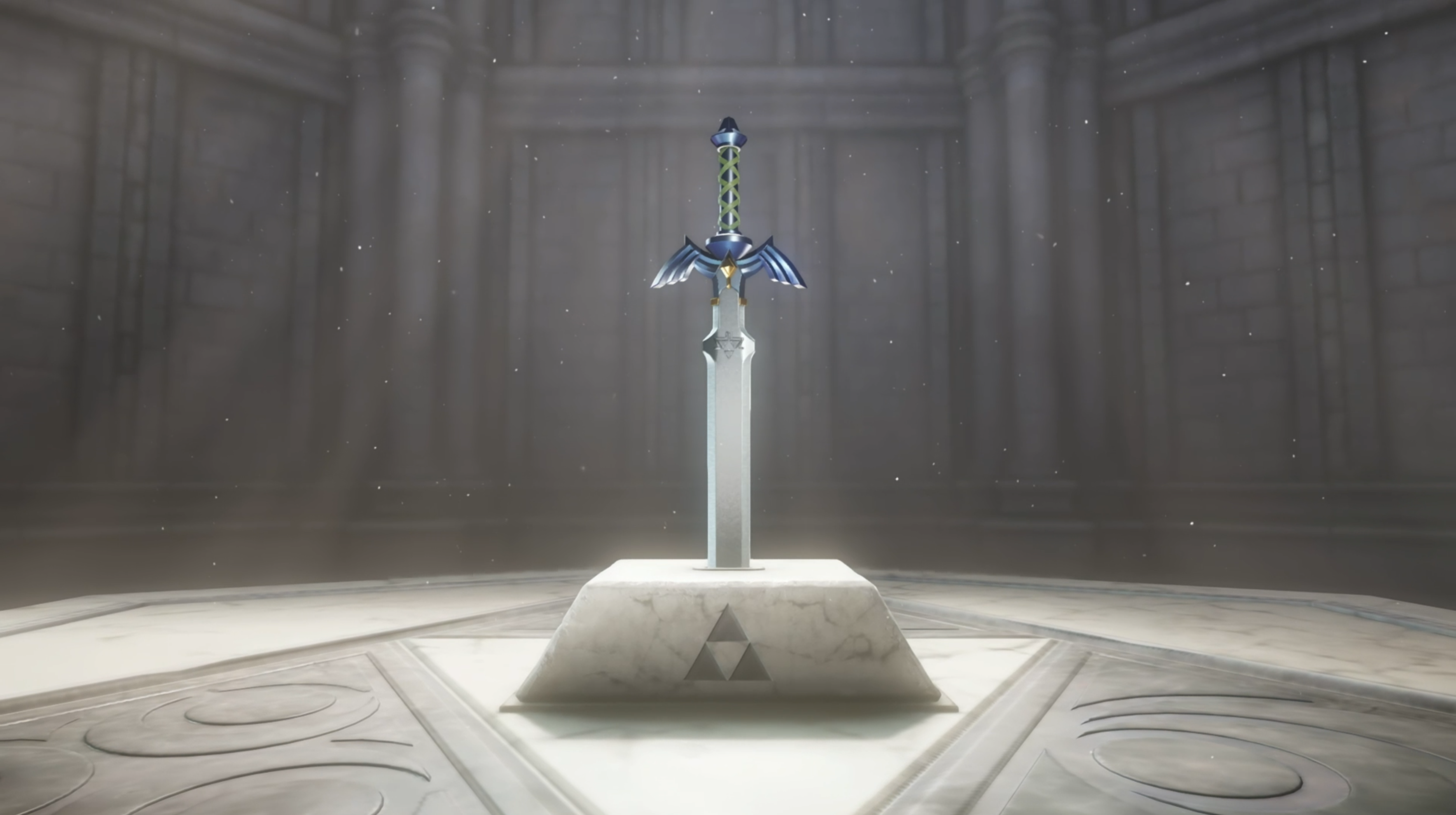

Returning to Hyrule after 21 years
The last time I played The Legend of Zelda: Ocarina of Time was around 2005. Twenty-one years later, I've finally returned to Hyrule, and I genuinely don't think Nintendo could have done a better job bringing this game into the modern era.
There's always a concern when revisiting something you loved as a child. Was the game really as good as you remember, or was it simply the experience you had at the time that made it special?
In Ocarina of Time's case, it turns out I had every reason to remember it so fondly.
The story still holds up remarkably well. Link's journey through Hyrule, the characters he meets and the changes the world undergoes as the adventure progresses are just as compelling as I remember.
That's not to say everything makes perfect sense.
Take Impa, for example. This grown-arse woman, whose responsibility is protecting Princess Zelda, watches a child she's never met approach the princess and then effectively decides that, since Zelda has asked him to collect the Spiritual Stones, she'll leave saving Hyrule to him instead.
Apparently, she was going to handle the whole situation herself, but a child showing up has really freed up her schedule.
Absolutely ridiculous.
And somehow, I wouldn't change a thing.
A Hyrule I couldn't stop looking at
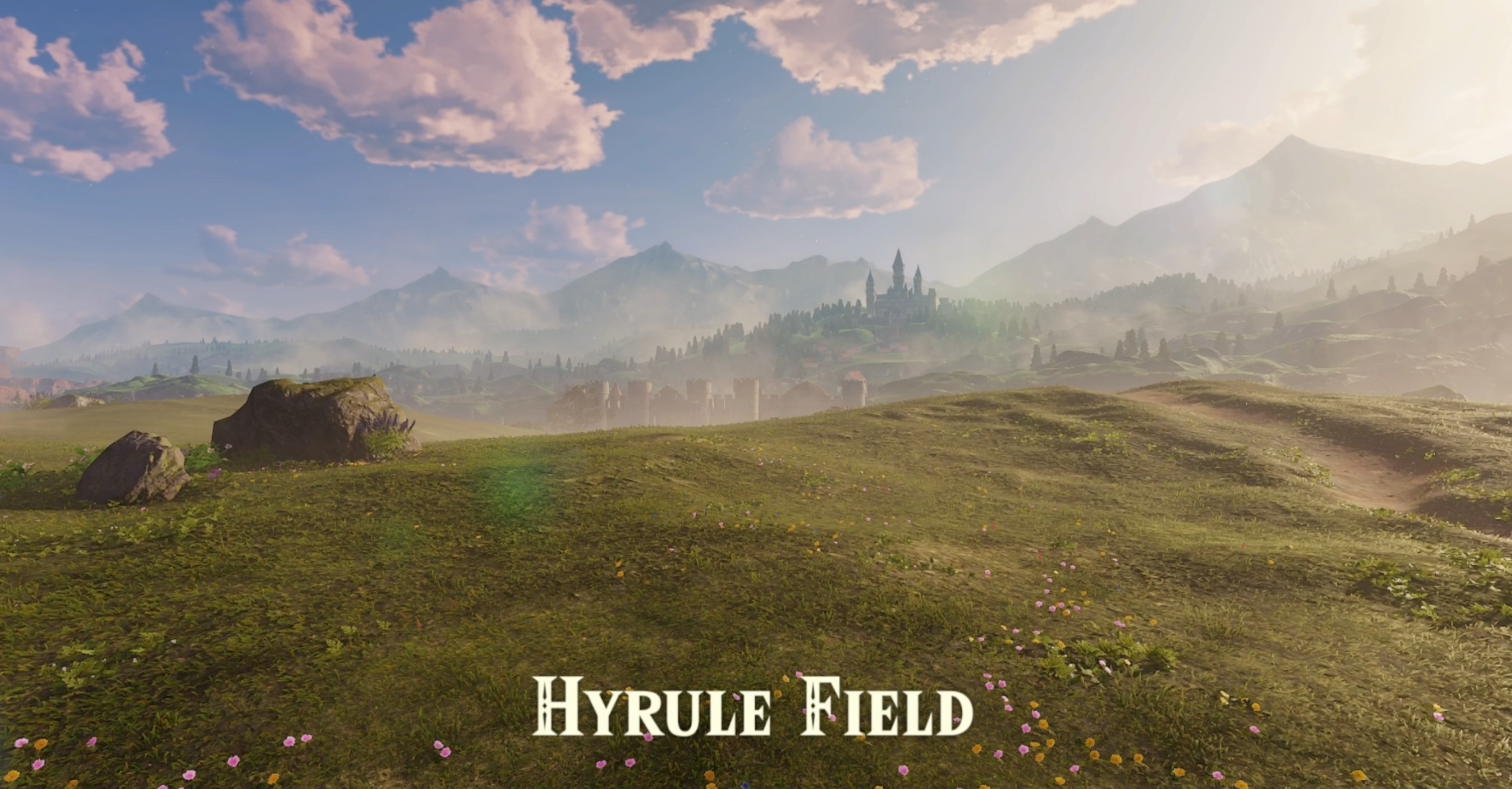
I genuinely don't know what gives Nintendo the gall to make a game look this good and run this well on the Nintendo Switch 2.
The visual overhaul is extraordinary. Hyrule feels familiar, but everything has been rebuilt with a level of detail that I couldn't have imagined when I first played the game.
It's the smaller environmental details that impressed me the most.
At one point, I spent a ridiculous amount of time standing in the fog and repeatedly performing Link's spin attack, just to watch how the fog reacted.
It would disperse and swirl around me, almost like a liquid, before settling again. I kept doing it because I couldn't believe how good it looked.
I wasn't completing a quest. I wasn't solving a puzzle. I wasn't even going anywhere.
I was just standing there swinging my sword at fog.
That's how impressive the presentation is.
What makes it even better is how well the game performed throughout my playthrough. I spent time playing both docked and handheld, and the experience felt wonderfully fluid in either mode.
I haven't conducted any technical frame-rate testing, but I never encountered anything that made the performance feel like it was holding the experience back.
For a game that looks this good, that level of responsiveness on the Switch 2 genuinely impressed me.
Modern controls that feel right at home
One of my biggest questions going into the remake was how the controls would translate into a modern action-adventure game.
As it turns out, brilliantly.
Everything felt natural almost immediately. The movement, combat, camera control and general responsiveness reminded me of Darksiders II, a game whose controls I absolutely loved.
It's a funny comparison, considering just how much Darksiders itself was inspired by The Legend of Zelda.
There were a few adjustments I made along the way.
The default jump button being mapped to X was an immediate no from me. I swapped it to B almost straight away, and everything felt much more comfortable.
Handheld mode also came with a minor annoyance. Occasionally, my fingers would catch the edges of the L or R buttons during combat, unintentionally bringing up the item wheel.
It never really bothered me. If anything, it gave me an unexpected little breather in the middle of a fight.
The biggest surprise, however, was gyro aiming.
I initially turned it off because I assumed I'd hate it. Motion controls have never been something I automatically want enabled when I'm trying to aim.
Eventually, I gave it another chance.
And somehow, it was actually better.
I ended up preferring gyro aiming, which is something I genuinely wasn't expecting.
Nintendo has managed to modernise the controls without making Ocarina of Time feel like a completely different game. It still has the identity of the original adventure, just without the limitations of playing a 3D action game on a Nintendo 64 controller.
The dungeons I remembered, and the ones I feared
Returning to the dungeons was probably the part of the experience that surprised me most.
Despite having not played Ocarina of Time in more than two decades, I found myself solving puzzles almost instinctively.
It was like some part of my brain had kept all that information stored away since childhood, waiting for an excuse to use it again.
The Water Temple was the notable exception.
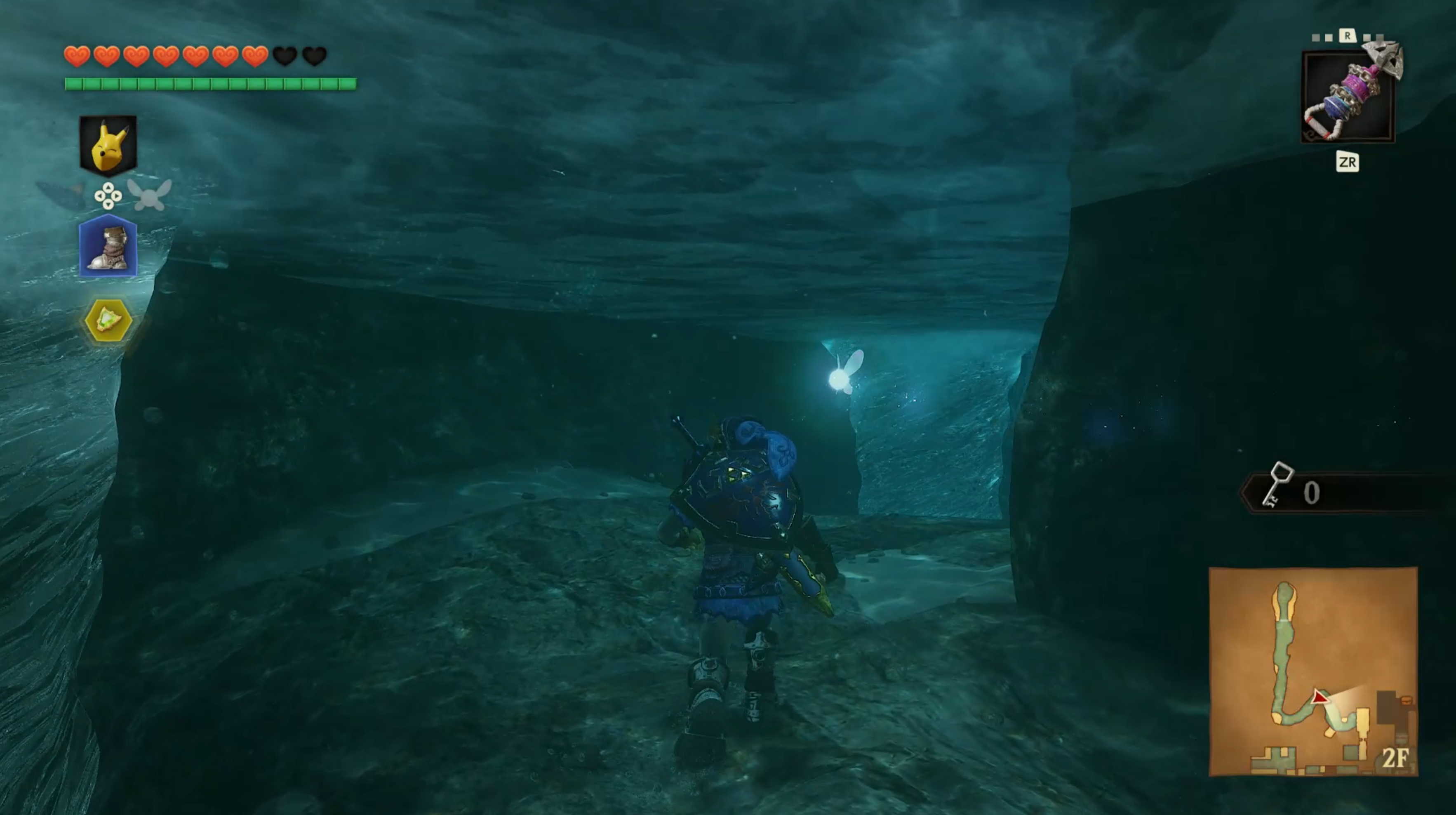
Something about it felt different from how I remembered it, and I found myself getting a little confused about which water levels needed to be activated and when.
I spent a fair amount of time wandering around trying to work out what I'd missed, but eventually everything clicked.
The most memorable part of the Water Temple, though, wasn't the water. It was Dark Link.
When I played Ocarina of Time as a child, Dark Link was the miniboss I'd hand the controller over to my mother to beat because I couldn't manage it myself.
This time?
Absolutely smashed him.
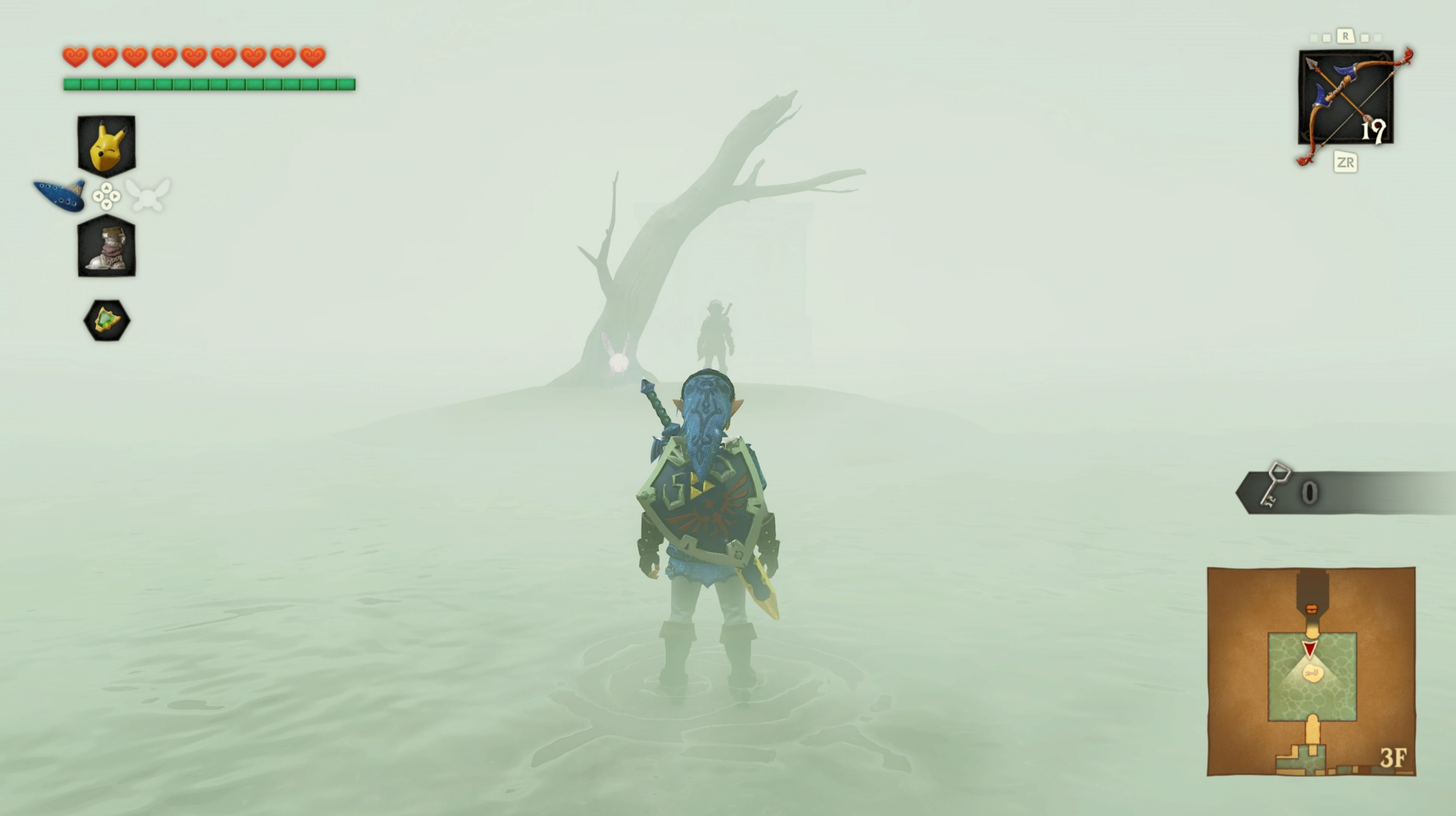
There's something incredibly satisfying about coming back to an encounter that completely defeated you as a child and discovering that it isn't nearly as intimidating as you remember.
The Shadow Temple was another personal milestone.
That dungeon used to give me genuine anxiety. It was one of the main reasons I took so long to finish the original game.
This time, I flew through it.
The atmosphere is still unsettling, and I absolutely loved the design of Bongo Bongo, but the boss himself turned out to be a bit of a chump.
I couldn't believe how easily I got through a section of the game that had bothered me so much when I was younger.
Gerudo Fortress, on the other hand?
Still my least favourite part of the game.
It wasn't terrible, and it certainly didn't ruin anything for me, but I wasn't particularly excited to work my way through it again.
Some things apparently never change.
Music, atmosphere and a familiar little fairy
The audio in Ocarina of Time was pure nostalgia.
Hearing those familiar melodies again, now with a beautifully refreshed orchestral presentation, brought back so many memories of playing the original.
But it wasn't just the music. The environmental audio and atmospheric effects made some of Hyrule's locations feel more alive than I remembered.
The Shadow Temple was a particularly strange experience.
I was playing through it late at night while chatting with friends in voice chat, and every so often I'd hear something that sounded almost like somebody speaking in the background.
Nobody seemed to be talking.
Was it the game's ambient audio? Was somebody making a noise in voice chat? Was I just tired and imagining things?
I genuinely have no idea.
But the fact I was even questioning it says something about how effective the atmosphere was.
The addition of proper voice acting is another improvement I absolutely loved.
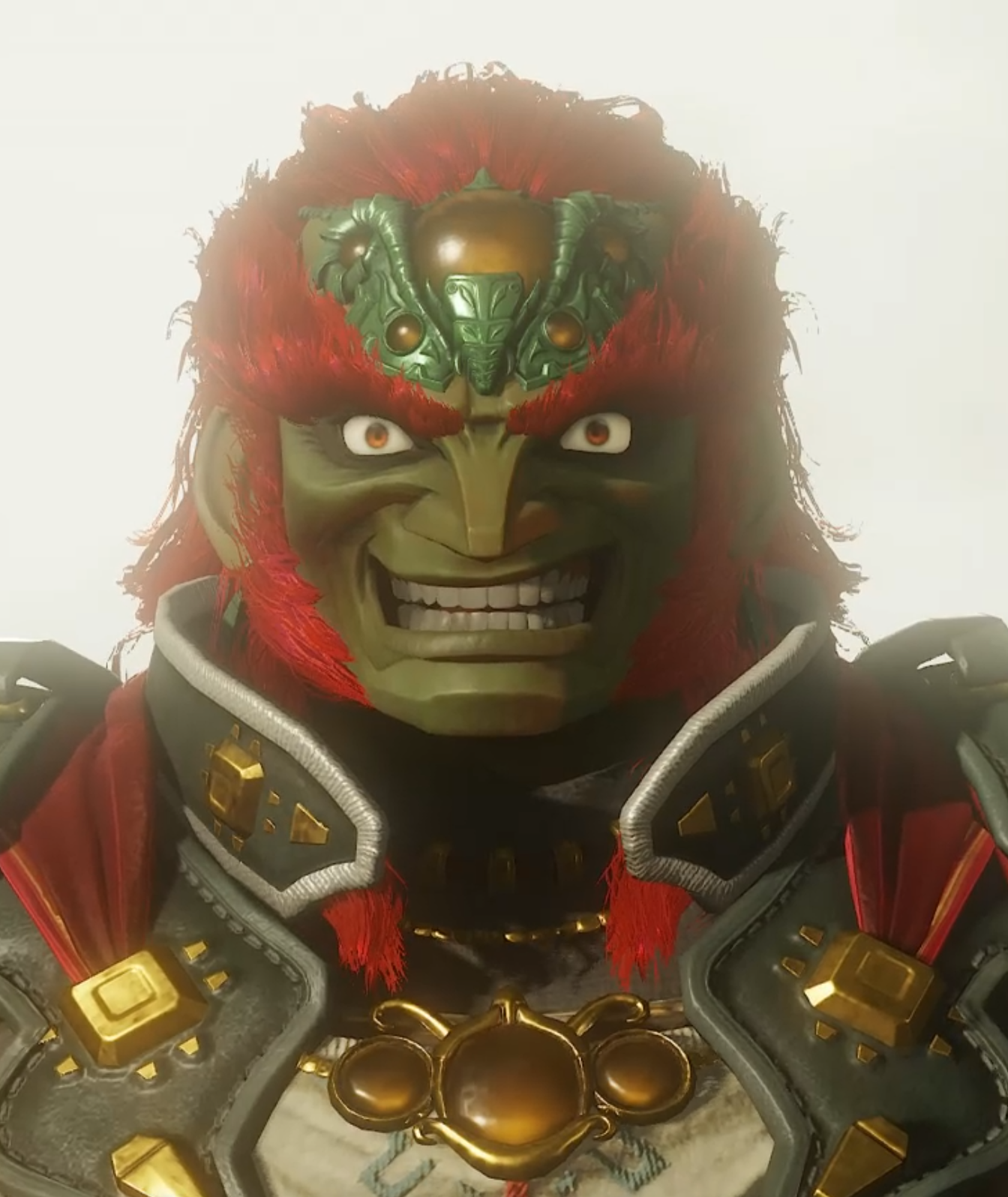
Matthew Mercer as Ganondorf was fantastic. His performance suited the character perfectly, giving him the presence and menace I'd hoped for.
There's also a wonderful little story behind the voice casting.
Nintendo conducted blind auditions for the Japanese cast, deliberately hiding the performers' identities so that the team could focus on finding voices that matched their memories of the original game.
Without realising it, they ended up casting Kaori Mizuhashi, Navi's original Japanese voice actor, in the same role she'd performed back in 1998.
The English-language Navi is voiced by Lisa Reimold, but knowing that the original Japanese performer had found her way back to the character after 28 years was such a lovely detail.
How could that not feel like it was meant to be?
Is anything actually wrong with it?
Very little, at least from my experience.
Epona's movement occasionally felt a little heavy, particularly when turning. At times, she handled more like a tank than a horse.
But I spent so little time riding her that it barely registered as a problem.
I've already mentioned the handheld shoulder-button issue and my immediate decision to remap the jump button. They were small inconveniences rather than frustrations that meaningfully affected the experience.
And yes, Gerudo Fortress is still Gerudo Fortress.
Beyond those things, I honestly struggle to find much to complain about.
Over the course of my playthrough, I completed the full main story and collected approximately 41 Gold Skulltulas. I didn't collect every optional item, including the Fire Arrows, Ice Arrows or Biggoron's Sword.
Nintendo's play activity records my time as 19 hours or more, so I can't give an exact completion time.
I also know there's more waiting for me in Hyrule. Fishing, more collectibles and plenty of optional activities are still there if I ever want to return.
But I don't feel like I need to do all of them.
An ending worth waiting 21 years for
One of the changes I appreciated most came right at the end of the adventure.
In the original Ocarina of Time, escaping the collapsing castle after defeating Ganondorf was a timed sequence. You had to make your way out before the countdown expired.
In the remake, that timer is gone.
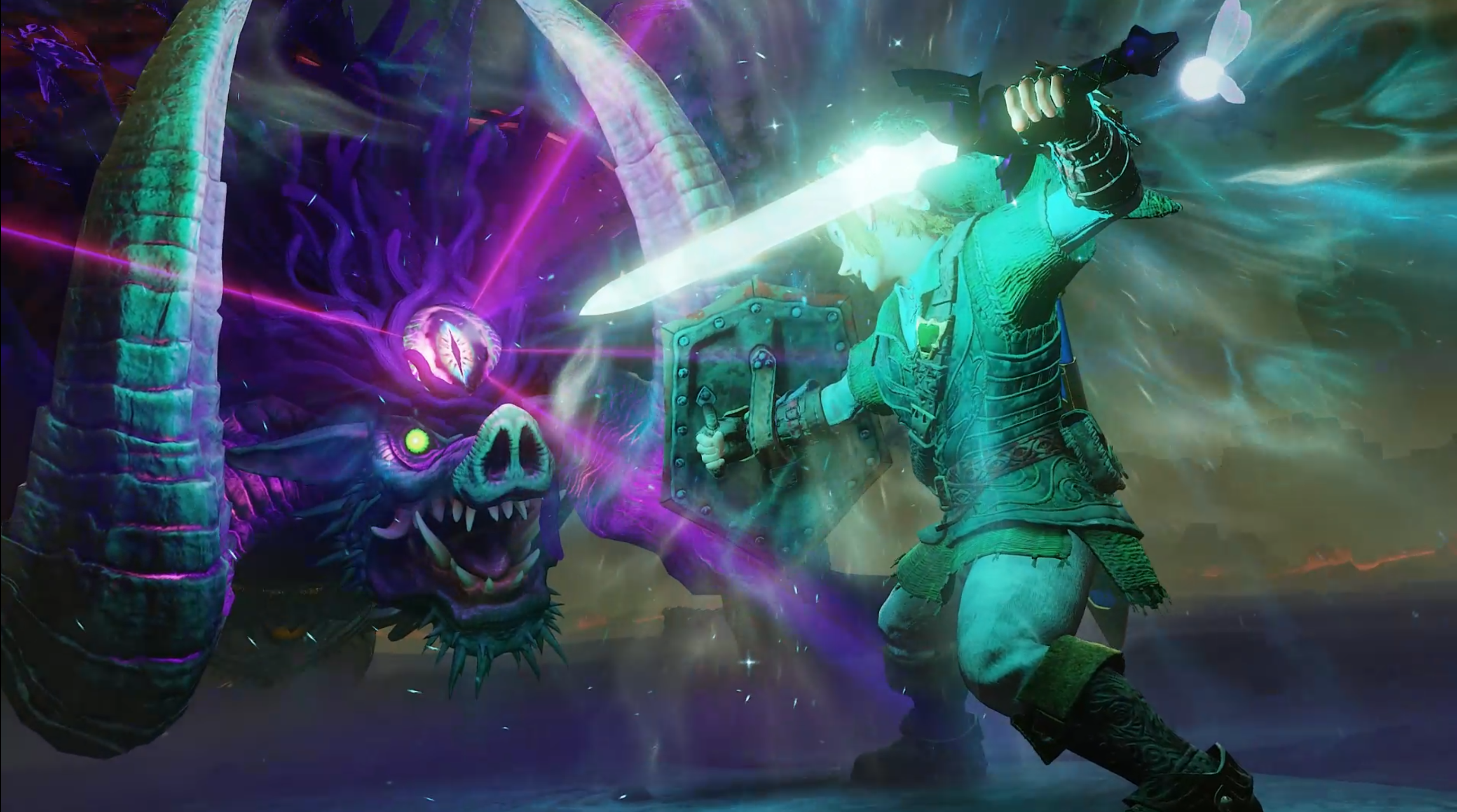
Instead of rushing through the escape while watching the clock, I could experience those final moments and the lead-up to the last battle without that added pressure.
It might seem like a relatively small change, but I appreciated it enormously.
After spending so much time revisiting Hyrule, overcoming the challenges I remembered from childhood and discovering just how well the game had been rebuilt, I wanted to enjoy that conclusion.
And when it was all over, I felt completely satisfied.
Not disappointed that there wasn't more to do. Not desperate to immediately go back and collect every item I'd missed.
Just satisfied.
I'd experienced the story I remembered, beaten the encounters that once intimidated me, and finally returned to a game that had meant so much to me more than two decades ago.
I've also been playing World of Warcraft Forever alongside Ocarina of Time, and with so many other games competing for my time, I'm more than happy to dedicate some attention elsewhere now.
That doesn't mean I won't return to Hyrule someday.
It means this adventure gave me exactly the ending I wanted.
Ocarina of Time was one of the games that made me fall in love with video games in the first place.
Twenty-one years later, Nintendo has reminded me exactly why.
Our verdict
The Legend of Zelda Ocarina of Time Remake
Twenty-one years after I last played it, The Legend of Zelda: Ocarina of Time has reminded me exactly why I fell in love with video games. Nintendo has taken an already exceptional adventure and brought it into the modern era without losing what made it special. The visuals are extraordinary, the controls feel fantastic, the soundtrack and voice acting bring Hyrule to life, and the story remains every bit as compelling as I remember. It isn't just a fantastic remake of a childhood favourite. It's a fantastic game, full stop.
What worked
- Extraordinary visual presentation: Hyrule looks beautiful, with environmental details that genuinely encouraged me to stop and experiment.
- Modernised gameplay: Responsive movement, comfortable controls and surprisingly effective gyro aiming.
- Excellent performance: Fluid gameplay throughout my experience in both docked and handheld modes.
- Timeless dungeon design: Puzzles remain rewarding, and revisiting childhood challenges was incredibly satisfying.
- Outstanding audio: The orchestral music, environmental sound design and voice performances elevate the entire experience.
- A satisfying conclusion: The changes to the final castle escape helped make the ending feel complete.
What didn’t
- Epona's handling: Turning could feel unnecessarily heavy and awkward.
- Handheld item-wheel activation: Occasional accidental shoulder-button presses interrupted combat.
- Default jump mapping: X didn't feel comfortable, although remapping it to B immediately resolved the issue.
- Gerudo Fortress: Still my least favourite section, even if it wasn't particularly frustrating this time.
- Recommended for
- Longtime Zelda fans returning to Hyrule and newcomers looking for a classic, dungeon-focused adventure. Perfect for players who enjoy exploration, clever puzzles, memorable characters and rewarding progression.
- Limits of this review
- This review is based on a completed main-story playthrough on Nintendo Switch 2, with more than 19 hours recorded by the Nintendo Switch App. Approximately 41 Gold Skulltulas were collected, but not every optional activity or collectible was completed. The Fire Arrows, Ice Arrows and Biggoron's Sword were not obtained. Both docked and handheld modes were used. Performance observations reflect normal gameplay rather than instrumented frame-rate or resolution testing.
Disclosure
- Access: Bought by It Runs Fine.
- Sponsorship: none. Nobody paid for or approved this review.
- Reviewer interests: none to declare.
- Writing tools: AI tools assisted with drafting and editing this review. All gameplay impressions and opinions are based on a completed personal playthrough, with final editorial review and approval by It Runs Fine.
It Runs Fine is also a game studio and does not review games in which it, or the people who run it, have a development or financial interest. Editorial policy
Review
Little Hope Review — A Good Mystery Held Back by Its Own Pacing
The Dark Pictures Anthology: Little Hope Reviewed on PC
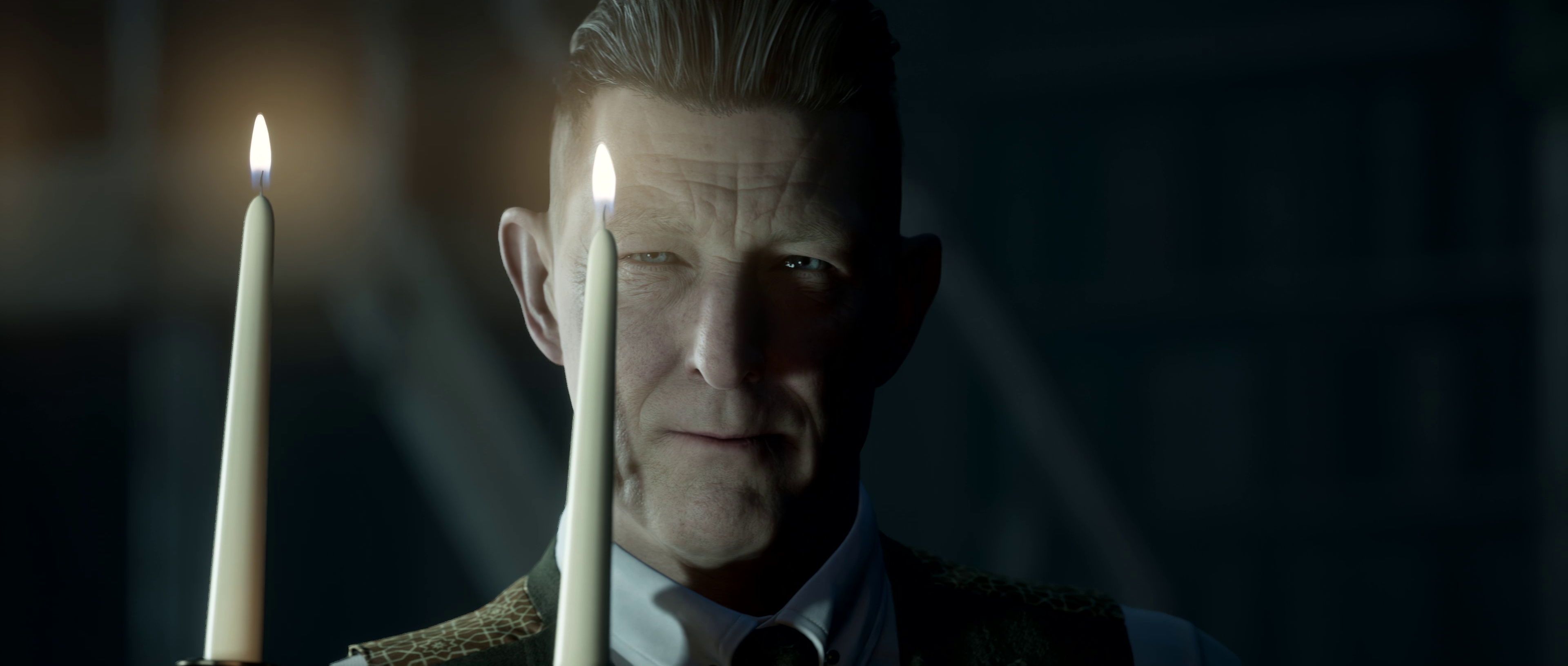
Little Hope delivers an engaging mystery, an impressively atmospheric setting and decisions that become increasingly consequential as the story progresses. Frustrating camera angles, awkward character movement and stretches of unnecessary traversal hold it back, while the jump scares rarely make an impact. Still, its stronger final act and satisfying narrative intrigue made the experience worthwhile, leaving me interested in exploring the rest of The Dark Pictures Anthology.
Review
over the hill Review: A Beautiful Drive That Eventually Tests Your Patience
over the hill Reviewed on PC
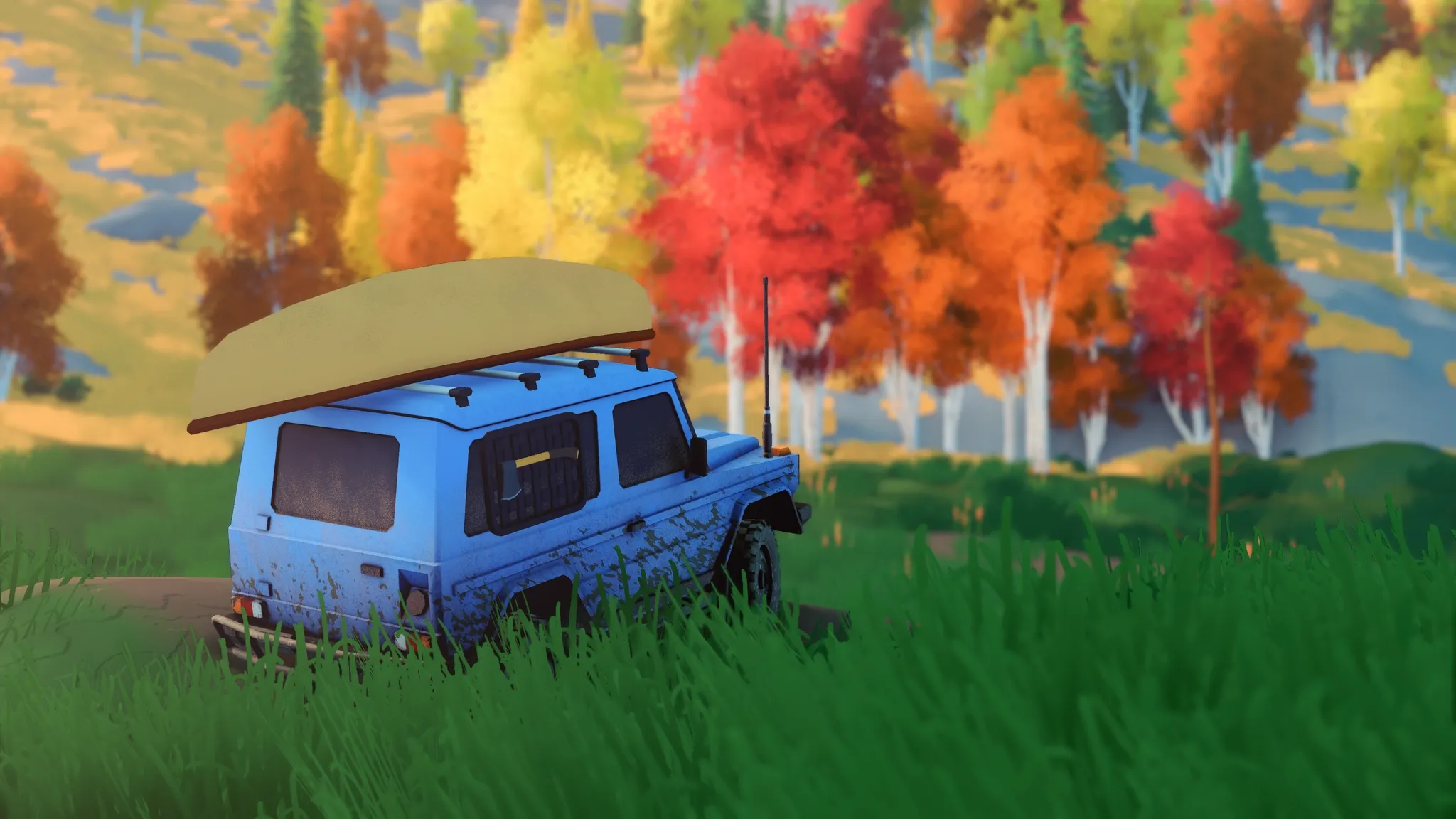
*over the hill* starts as a beautiful, relaxing off-road adventure with satisfying driving, excellent atmosphere and rewarding exploration. Unfortunately, the further I progressed, the more frustrating it became. Excessive mud, widely spaced objectives and unforgiving recovery mechanics turned enjoyable challenges into tedious setbacks. After 4.4 hours, repeated failures on a trail with no checkpoints finally pushed me to stop playing. Co-op might make the experience more forgiving, but as a solo player, I was left disappointed by a game I genuinely wanted to love.