
Review
Little Hope Review — A Good Mystery Held Back by Its Own Pacing
The Dark Pictures Anthology: Little Hope Reviewed on PC v1.12
Little Hope delivers an engaging mystery, excellent atmosphere and meaningful choices, but frustrating movement and unnecessary traversal hold it back. While the scares rarely land, its stronger final act and compelling story make it an experience worth seeing through.
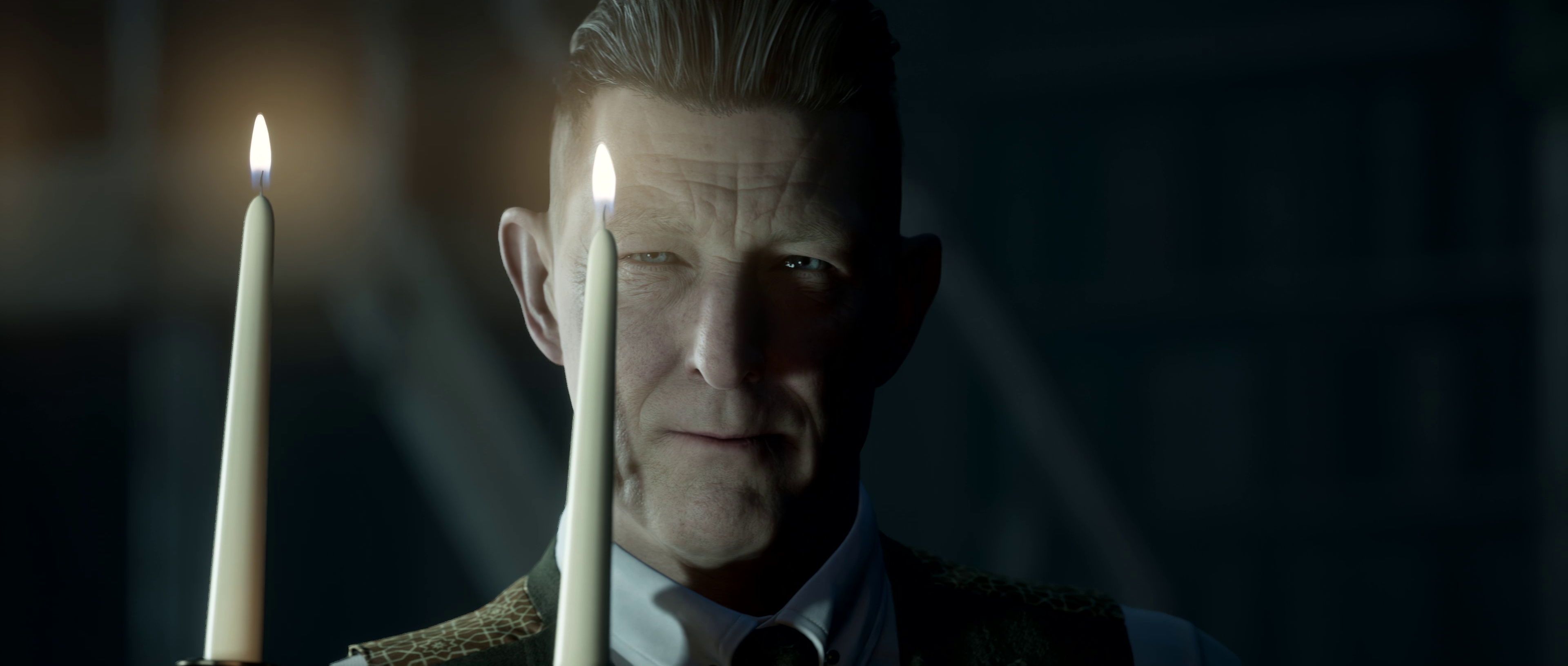

Six years after its release, I finally sat down with The Dark Pictures Anthology: Little Hope for Halloween. What I found was an interesting take on horror, with an engaging mystery, meaningful decisions and some frustrating gameplay choices that occasionally got in the way of enjoying it.
A different kind of horror
I've never been someone who regularly seeks out horror games, although that's not to say I don't enjoy the genre. I've played through the Resident Evil series, and I'm generally comfortable with horror when I know there's some way to defend myself.
What I've never particularly enjoyed is being completely helpless. Being chased by something that can kill me while my only option is to run away and hide isn't really my idea of a good time.
That's what made Little Hope an interesting choice for my Halloween review.
Developed by Supermassive Games, Little Hope is the second entry in The Dark Pictures Anthology, a series of interactive horror stories where the choices you make can determine who survives.
Rather than giving you weapons and asking you to fight your way through enemies, Little Hope places much of your survival in the hands of dialogue decisions, character interactions and quick-time events.
It's a very different approach from the horror games I usually play, but one that ended up working surprisingly well for me.
A mystery that kept me interested
The story follows a group of people stranded in the abandoned town of Little Hope, surrounded by thick fog and confronted by increasingly disturbing events.
Without spoiling anything, the mystery surrounding the town was easily one of the biggest reasons I kept playing.
I wouldn't say every character won me over, though.
Some of their personalities genuinely annoyed me, and there were moments where I questioned the logic behind what they were saying or doing. I understand that characters are written with their own personalities and motivations, but that doesn't necessarily make them any less frustrating to deal with.
Even so, the overarching story was interesting enough that I wanted to see where it went.
The ending also managed to surprise me. The eventual twist wasn't completely obvious, which I appreciated, particularly after spending the entire game trying to piece together what was happening.
For a relatively short, story-driven experience, Little Hope did enough to maintain my curiosity through to the conclusion.
Tedium disguised as atmosphere
My biggest criticism of Little Hope isn't actually the horror. It's the walking.
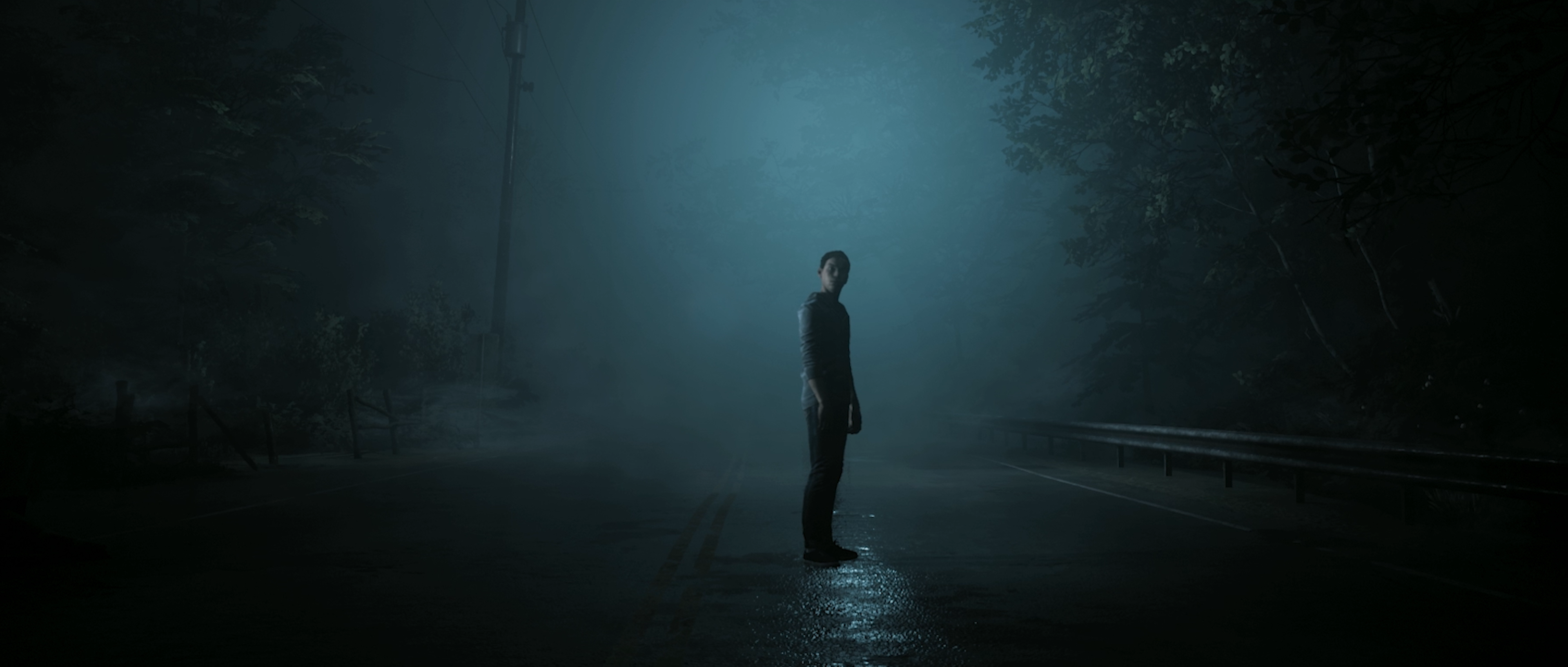
Early in the game, moving through the environments creates genuine tension. You're unfamiliar with the world, you don't know what to expect, and even something as simple as walking down a hallway can make you uneasy.
Unfortunately, that feeling gradually wears off.
By the end of the second act, I found myself walking from one interactive cinematic sequence to another, often feeling like the journey between them contributed very little to the experience.
What initially worked as atmospheric exploration eventually became tedium disguised as atmosphere.
There were moments where I genuinely wished the game would just commit to being an interactive movie. I was enjoying the story and wanted to know what happened next, but the game kept making me walk there without giving me much reason to appreciate the journey.
The character movement and camera angles certainly didn't help.
There's something reminiscent of the original Resident Evil games in the way certain perspectives affect navigation. While I can appreciate that style, it doesn't make controlling the characters any less frustrating.
One particular moment had a wall completely obstructing my view of the character I was controlling. I couldn't see what was happening until I'd moved far enough out of the room for the camera to finally correct itself.
It's especially frustrating because, for the most part, Little Hope does a good job of showing you where to go.
I rarely found myself genuinely lost. My issue wasn't working out where I needed to be. It was that actually getting there wasn't always enjoyable.
The fog is almost a character itself
Visually, Little Hope makes a strong impression.
The environmental textures look good, and the game's dark presentation works particularly well with its setting.
What really stood out to me, though, was the fog.
It's almost a character in its own right, hanging over the town and contributing enormously to the atmosphere. It helps establish that sense of uncertainty early on, when you're still trying to understand what the game might throw at you.
There are some fairly obvious game development tricks at work, too.
An illuminated lamppost in the distance, for example, can draw your attention towards where you're supposed to go next. You can recognise what the developers are doing, but it works.
The environment generally guides you without needing to make every direction explicit.
It's a shame the camera and character movement don't always complement what is otherwise some effective environmental design.
More brutal than frightening
Something I found interesting about Little Hope was how little the traditional horror affected me.
Across my playthrough, very few jump scares genuinely caught me off guard.
Perhaps that's partly because I regularly watch horror-themed television, including From, The Strain and American Horror Story. While I don't often play horror games without combat, I'm certainly familiar with horror storytelling and imagery.
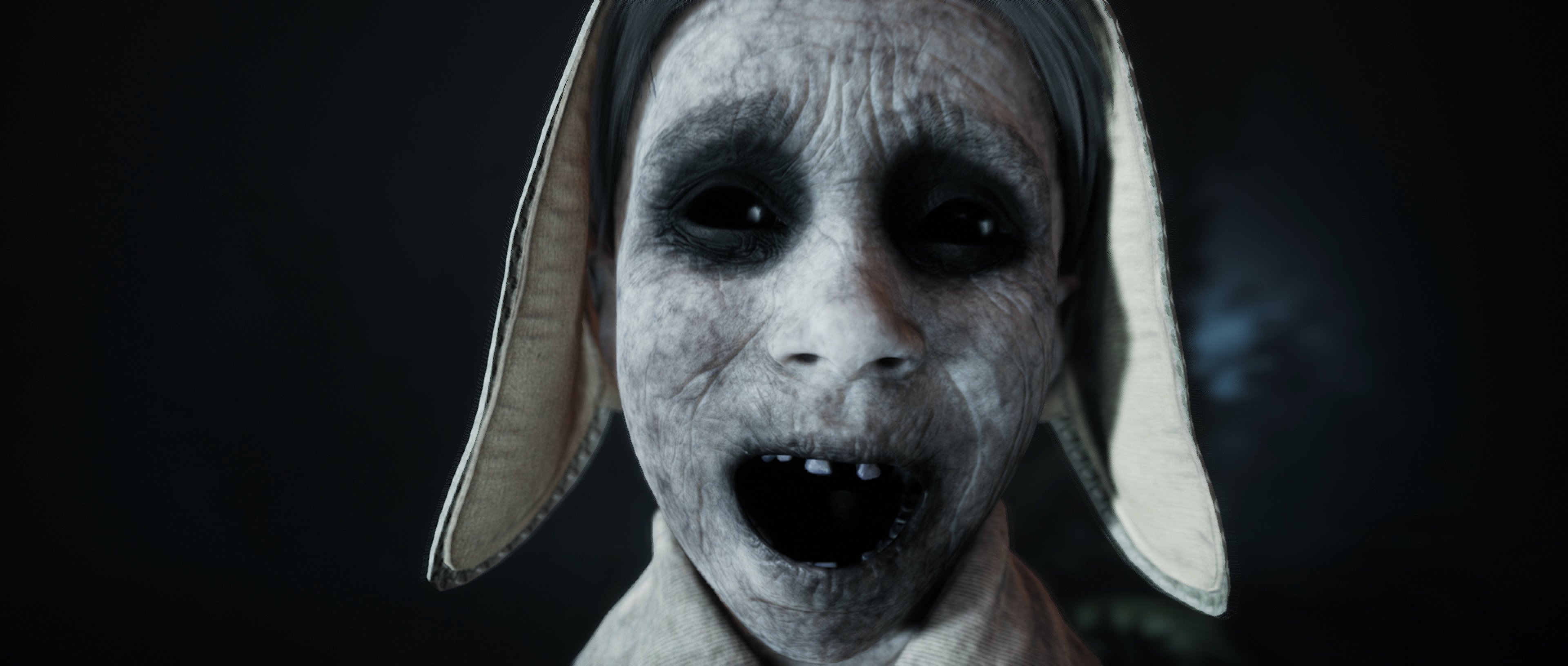
Where I did start to appreciate Little Hope's horror was in its brutality.
As the story progressed, the threats became more aggressive and the consequences of getting things wrong felt considerably more serious.
I collected all the death premonitions during my playthrough, and some of what they suggested could happen was particularly nasty.
I couldn't help wondering whether I would have witnessed considerably more gruesome outcomes if I hadn't been reasonably successful with the quick-time events.
The atmosphere and the threat of what could happen ultimately worked better for me than the jump scares themselves.
Where the gameplay finally comes together
Thankfully, the final act noticeably picks up the pace.
The introduction of more aggressive threats and an increased emphasis on quick-time events made the experience far more engaging than the slower traversal sections that came before it.
Suddenly, there was genuine urgency.
Decisions and reactions felt like they could have serious consequences for the characters, and I found myself far more invested in those moments than I had been while simply walking between scenes.
This is where Little Hope's particular approach to horror started making sense to me.
I'm not fighting back with a weapon, but I still have some influence over what happens. The game gives me agency through decisions and reactions rather than traditional combat.
That distinction made a considerable difference to how much I enjoyed the experience.
I did still find myself wanting to rush towards the ending at times, and the frustrating movement never completely disappeared. But the stronger pacing and increased stakes helped the final portion of the game finish on a much more positive note.
The verdict
Perhaps the biggest compliment I can give Little Hope is that, despite all my complaints about its movement, camera angles and unnecessary walking, finishing it has actually made me want to play the other games in The Dark Pictures Anthology.
Seeing those other entries in the main menu after completing the story genuinely caught my interest.
Little Hope didn't particularly frighten me, and there were plenty of moments where I felt the game was slowing itself down unnecessarily. Some of the characters were irritating, and the controls occasionally made basic navigation more frustrating than it needed to be.
But I enjoyed the mystery, appreciated the atmosphere, and found the later decisions and quick-time events surprisingly engaging.
For someone who doesn't usually seek out this style of horror, that's a pretty decent outcome.
Little Hope has its frustrations, but the story was good enough to make me want more.
And considering I originally picked it up simply to review something different for Halloween, I think that says quite a bit.
Our verdict
The Dark Pictures Anthology: Little Hope
Little Hope delivers an engaging mystery, an impressively atmospheric setting and decisions that become increasingly consequential as the story progresses. Frustrating camera angles, awkward character movement and stretches of unnecessary traversal hold it back, while the jump scares rarely make an impact. Still, its stronger final act and satisfying narrative intrigue made the experience worthwhile, leaving me interested in exploring the rest of The Dark Pictures Anthology.
What worked
- Engaging mystery
- Excellent fog and environmental presentation
- Consequential decisions
- Stronger final act
- Memorable twist
What didn’t
- Unnecessary traversal
- Awkward movement
- Obstructive camera angles
- Occasionally irritating characters
- Ineffective jump scares
- Recommended for
- Players who enjoy interactive cinematic storytelling, narrative mysteries and choice-driven horror, particularly those who prefer something other than traditional combat or hide-and-seek survival horror.
Disclosure
- Access: Bought by It Runs Fine.
- Sponsorship: none. Nobody paid for or approved this review.
- Not tested: Alternate Endings.
- Reviewer interests: none to declare.
It Runs Fine is also a game studio and does not review games in which it, or the people who run it, have a development or financial interest. Editorial policy
Review
over the hill Review: A Beautiful Drive That Eventually Tests Your Patience
over the hill Reviewed on PC
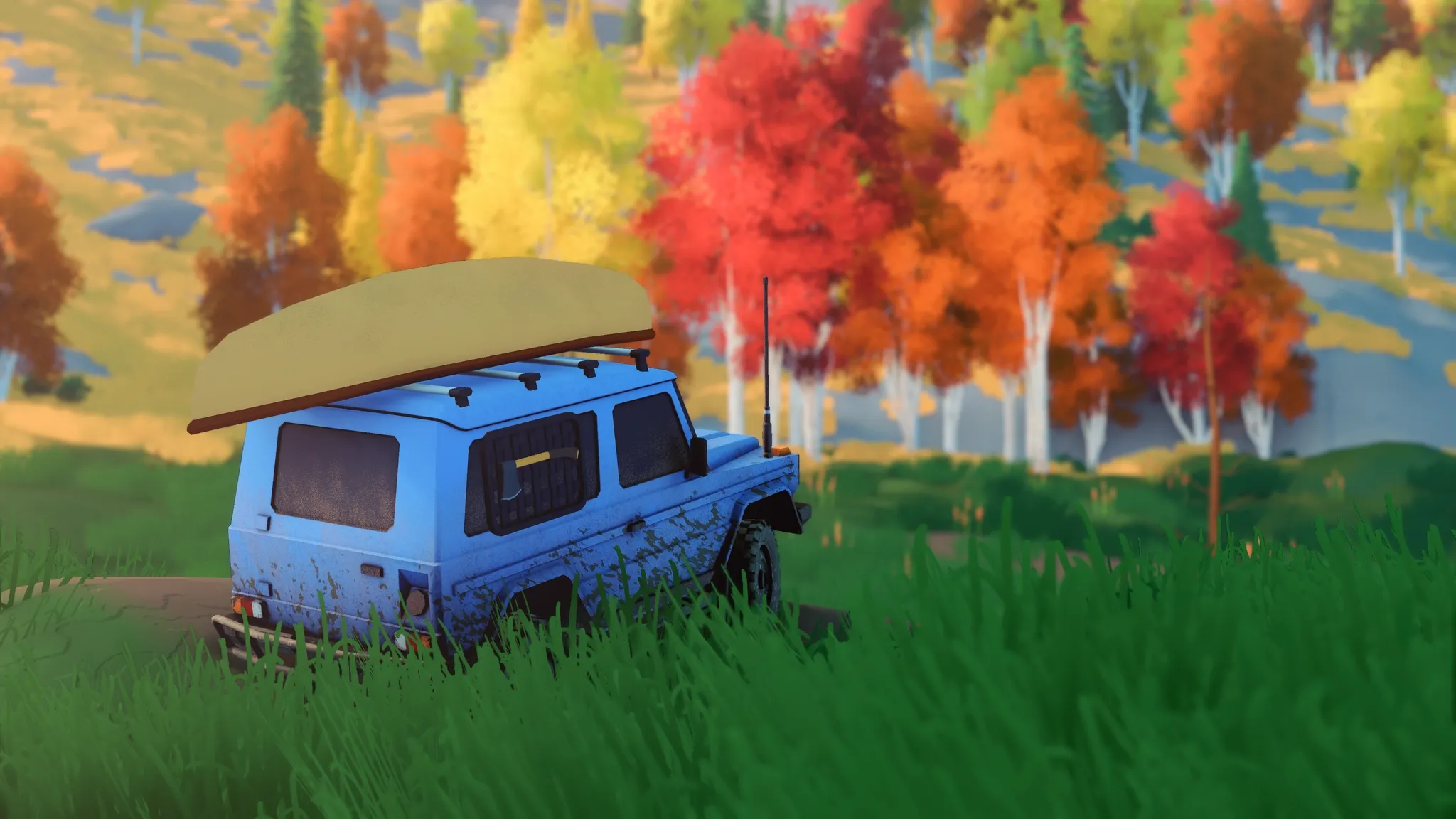
*over the hill* starts as a beautiful, relaxing off-road adventure with satisfying driving, excellent atmosphere and rewarding exploration. Unfortunately, the further I progressed, the more frustrating it became. Excessive mud, widely spaced objectives and unforgiving recovery mechanics turned enjoyable challenges into tedious setbacks. After 4.4 hours, repeated failures on a trail with no checkpoints finally pushed me to stop playing. Co-op might make the experience more forgiving, but as a solo player, I was left disappointed by a game I genuinely wanted to love.