
Live · Developing storyOpinion
GTA VI Didn't Need The Game Awards. Did The Game Awards Need GTA VI?
GTA VI leads The Game Awards 2026 with eight nominations before launch. We examine the precedent, the publicity and what it means for the awards.
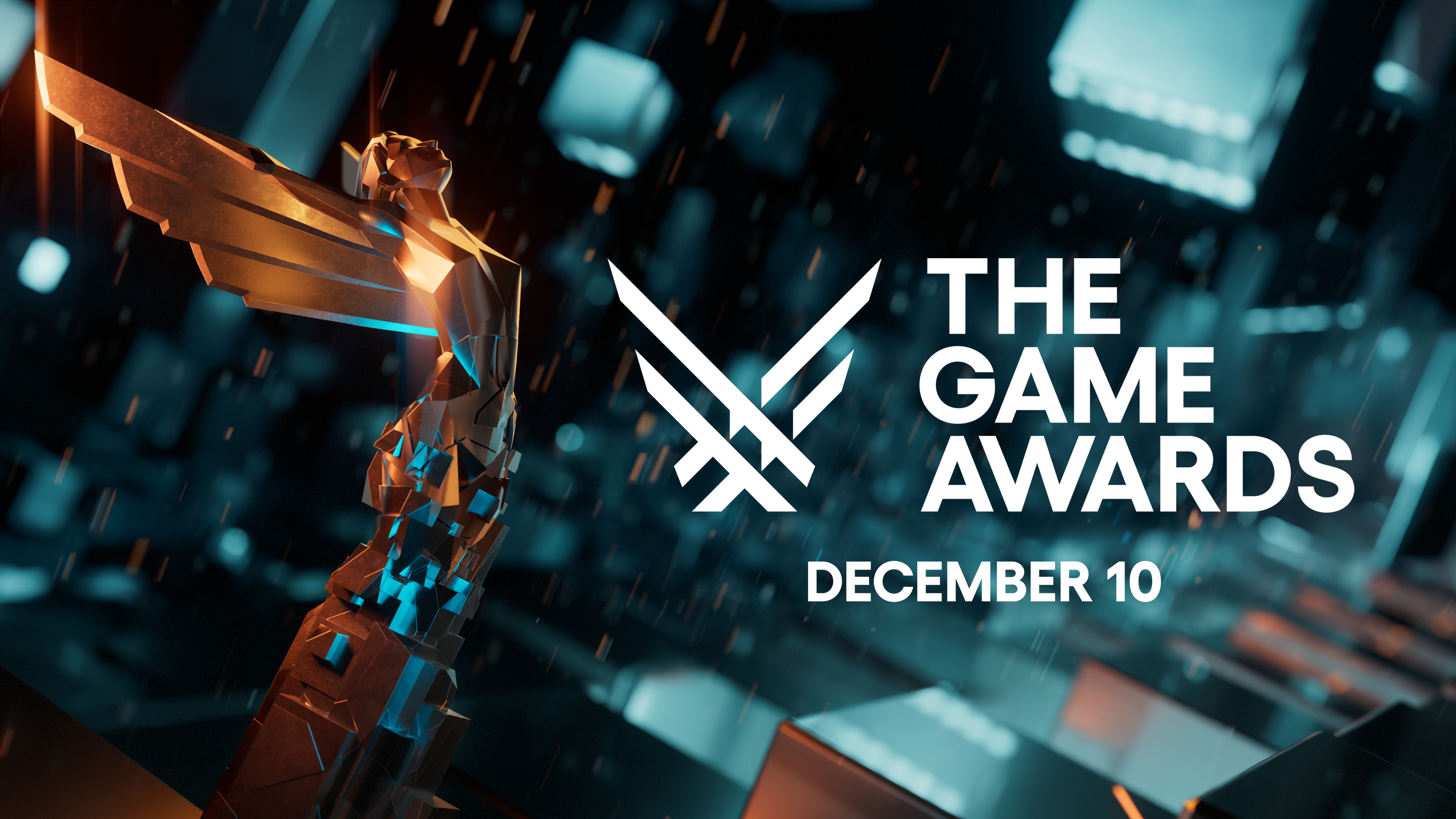

Eight nominations before release, while Crimson Desert receives just one. The Game Awards 2026 has raised questions about publicity, creative recognition and whether gaming's biggest awards ceremony is judging games or helping sell them.
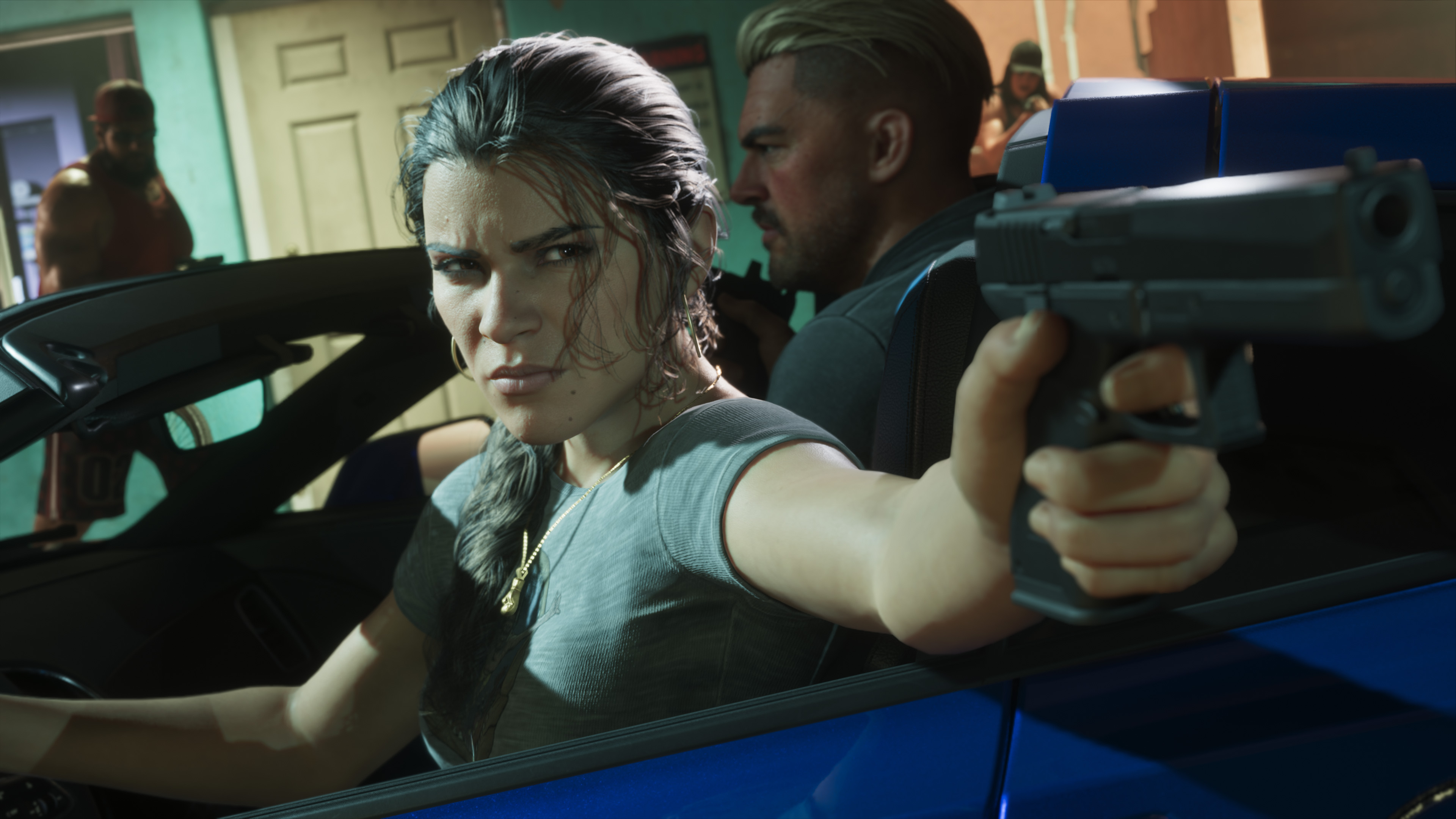
Grand Theft Auto VI hasn't even been released, and it's already the most nominated game at The Game Awards 2026.
On 17 November, Rockstar's highly anticipated sequel received eight nominations, including Game of the Year, Best Game Direction, Best Narrative and Best Action/Adventure Game. It was also recognised for its art direction, music, audio design and Manni L. Perez's performance.
The problem? GTA VI isn't scheduled to launch until 19 November, two days after those nominations were announced.
Meanwhile, Crimson Desert, Pearl Abyss's ambitious open-world adventure released back in March, received just one nomination, for Best Community Support.
The difference is difficult to ignore.
One game has spent eight months in players' hands, received substantial post-launch updates and generated plenty of discussion about its achievements and shortcomings.
The other hasn't even reached the public.
That doesn't mean GTA VI's nominations are undeserved. Rockstar has a history of delivering ambitious, critically acclaimed games, and its latest release could absolutely live up to the expectations surrounding it.
But there's a difference between expecting something to be exceptional and recognising it as one of the year's best.
And when gaming's biggest awards ceremony is already celebrating a game before most people have experienced it, we have to ask what exactly is being rewarded.
Following the rules doesn't necessarily make the process fair
According to The Game Awards' official rules, games must be commercially available by 20 November 2026 to qualify.
GTA VI's scheduled 19 November release meets that requirement.
The rules also permit publishers to provide members of the voting jury with advance review copies, allowing them to evaluate games ahead of their public release.
That's perfectly reasonable. Reviewers regularly receive games before launch, and it's entirely possible that members of the jury have spent considerable time with GTA VI.
What isn't publicly established is how many voting outlets received the game, how much they played, or whether they completed it before making their nominations.
For something like Best Art Direction or Best Audio Design, a relatively limited period of evaluation might be enough to form a meaningful opinion.
Best Narrative and Game of the Year are a different matter, particularly for something as expansive as GTA VI.
Perhaps the jury members who nominated it have thoroughly evaluated the experience. If they have, the nominations could be entirely justified.
But when a game receives eight nominations before the public can even buy it, greater transparency about that process would be welcome.
The situation becomes stranger when you consider that public voting opened alongside the nominations on 17 November.
Fans could immediately vote for GTA VI without having played it.
The Game Awards uses a 90% jury and 10% public voting split for most categories, so public votes aren't the deciding factor by themselves.
Still, what exactly are people voting for when they select a game they've never experienced?
At that point, they're voting for their expectations.
And there are few games in history carrying expectations quite like GTA VI.
This isn't the first time The Game Awards has faced questions about eligibility
The controversy isn't entirely unprecedented.
In 2014, Super Smash Bros. for Wii U was nominated for Best Fighting Game before its American release.
In 2017, PlayerUnknown's Battlegrounds received a Game of the Year nomination despite still being in Steam Early Access.
That decision sparked debate about whether an unfinished game should qualify for the industry's highest recognition.
But PUBG had at least been publicly playable for months. Millions of players had already experienced it and could form their own opinions.
In November 2022, God of War Ragnarök received ten nominations just five days after its release.
It was an exceptionally short turnaround, but the game was already commercially available and public reviews had been published.
The Game Awards has repeatedly demonstrated that it is comfortable recognising games close to the edges of its eligibility window.
What makes GTA VI unusual is the scale of that recognition before release.
Eight nominations, including Game of the Year, without the general public having access to the finished product.
That doesn't prove wrongdoing. It does raise reasonable questions about how the awards process operates.
So where does that leave Crimson Desert?
Perhaps the most interesting comparison this year isn't another unreleased game.
It's Crimson Desert.
Pearl Abyss launched its ambitious open-world adventure on 19 March 2026. Since then, it has had months of public scrutiny, substantial post-launch development and opportunities for critics and players to examine its strengths and weaknesses.
Despite that, it received just one nomination at The Game Awards 2026, for Best Community Support.
There is a reasonable argument that Crimson Desert deserved consideration in categories such as Best Art Direction, Best Game Direction or Best Action/Adventure.
Its absence from those categories isn't proof that the jury made a mistake. Awards are subjective, and a technically ambitious game isn't automatically among the year's best.
But the contrast with GTA VI raises an interesting question.
Why does one ambitious open-world game receive recognition across almost every major creative discipline before release, while another receives recognition only for its community support after months of public evaluation?
There is another factor worth considering.
Did Crimson Desert's AI controversy influence its reception?
Earlier this year, Pearl Abyss faced criticism after players discovered AI-generated artwork within Crimson Desert.
The developer acknowledged that some AI-generated assets had unintentionally remained in the finished game, apologised for the oversight and committed to replacing the affected material.
More recently, Pearl Abyss reiterated plans to expand AI use across its game development pipeline.
In its November 2026 financial reporting, the company described using AI for repetitive task automation, content production assistance and testing.
Pearl Abyss maintains that AI is intended to support developers rather than replace them, with human teams retaining responsibility for the actual creative work.
The company's broader direction wasn't entirely new. It had already discussed expanding AI throughout development in August.
Nevertheless, the November announcement arrived just days before The Game Awards revealed its nominations.
Was that timing significant?
Did the earlier AI-generated artwork controversy affect how critics viewed Crimson Desert? Could the company's increasingly open embrace of AI have influenced perceptions of its creative achievements?
Those are questions worth asking, particularly as the industry continues debating the role of generative AI in game development.
But there is no evidence that The Game Awards deliberately withheld nominations from Crimson Desert because of its AI use.
The awards' published rules do not establish a blanket prohibition on AI-assisted development, and Crimson Desert was still nominated for Best Community Support.
It also received nominations for PC Game of the Year and Best Soundtrack at the Golden Joystick Awards, demonstrating that its AI controversy hasn't prevented recognition elsewhere.
We shouldn't mistake a possible influence on perception for proof of a deliberate penalty.
Still, the comparison opens up a broader discussion about how the industry evaluates creative work.
If AI involvement becomes a factor in assessing artistic achievement, should awards organisations establish clear standards about how that involvement is considered?
And if it isn't a factor, should audiences simply assume that every nominated game has been evaluated consistently, regardless of its development process or release date?
Those questions extend well beyond Crimson Desert.
Rockstar already has the publicity. Why would it need more?
Here's where the situation becomes particularly interesting.
GTA VI doesn't need The Game Awards to become a commercial success.
Take-Two Interactive has already described exceptionally strong preorder demand. In November, Reuters reported that market research firm Sensor Tower estimated approximately 7.71 million digital preorders worldwide as of 3 November.
By 11 November, The Washington Post reported that Sensor Tower's estimates had exceeded 10 million preorders, representing more than US$1 billion in estimated consumer spending.
Those figures are third-party estimates rather than confirmed final sales totals, but the scale of demand is difficult to ignore.
GTA VI was already a global event before The Game Awards announced a single nomination.
So what does receiving eight nominations immediately before release accomplish?
It puts the game back into headlines during one of the most commercially important weeks of its launch campaign.
More importantly, the nominations have given people something to argue about.
Instead of simply discussing the upcoming release, players are now debating whether GTA VI deserves its recognition, whether critics have properly evaluated it, and whether The Game Awards has compromised its credibility.
Every article, video and social media discussion adds to the attention surrounding the game.
Including this one.
That's the uncomfortable reality of modern entertainment publicity.
Controversy doesn't necessarily damage a product. Sometimes it gives people another reason to keep talking about something they were already planning to buy.

Was this a calculated publicity stunt?
It's worth considering, but there's an important distinction between what we can establish and what remains speculation.
There is no verified evidence that Rockstar or Take-Two coordinated with The Game Awards to secure nominations or deliberately manufacture controversy.
Geoff Keighley has disputed suggestions that the eligibility deadline was changed specifically to accommodate GTA VI, and the awards' published rules state that he doesn't personally vote on nominees or winners.
Claiming the nominations were orchestrated as a marketing exercise would require evidence we don't have.
But deliberate coordination isn't necessary for the situation to benefit everyone involved.
Rockstar gets another wave of attention immediately before launch.
The Game Awards gets its name attached to one of the largest entertainment releases in years, weeks before its December ceremony.
Gaming publications and content creators have another major story to discuss.
The incentives align without anyone needing to break the rules.
And that's arguably what makes the situation more interesting.
The Game Awards isn't exclusively an awards ceremony. It's also a massive promotional event, with world premieres, game announcements, trailers and appearances from prominent industry figures.
There's nothing inherently wrong with that. The announcements are a major reason audiences watch.
But when an awards ceremony also serves as one of the industry's biggest marketing platforms, maintaining a clear separation between critical recognition and commercial promotion becomes increasingly important.
GTA VI's nominations don't prove that separation has disappeared.
They do make it harder to distinguish where one ends and the other begins.
In two years, will anybody remember this controversy?
Probably not.
Right now, players are questioning the nominations, journalists are examining the rules, and social media is debating whether GTA VI deserves its recognition.
Tomorrow, GTA VI launches.
The conversation will quickly move towards gameplay, reviews, performance, bugs and everything else associated with a release of this magnitude.
On 10 December, The Game Awards will announce its winners, potentially creating another round of arguments.
Then the industry will move on.
By 2028, most players probably won't remember precisely when GTA VI received its nominations or whether the game was publicly available at the time.
They'll remember the game itself, how it was received and how many awards it eventually won.
The same may be true of Crimson Desert's absence from the major categories.
Once the next major releases arrive, the discussion about why one game was recognised and another overlooked will likely fade.
That doesn't make the controversy meaningless.
It means everyone benefiting from the immediate attention may have little incentive to revisit the underlying questions once the audience has moved on.
And that's where the integrity of the awards process becomes relevant.
The Game Awards doesn't need to be rigged to have a credibility problem
None of this means GTA VI should automatically be disqualified.
If reviewers have thoroughly evaluated the game and genuinely consider it among the year's best, those opinions deserve consideration.
Likewise, Crimson Desert's exclusion from the major categories doesn't automatically establish bias, particularly when critics may have legitimate disagreements about its overall quality.
The issue is transparency and consistency.
Why announce nominations before every eligible game is commercially available?
Why invite public votes for games that the public cannot yet experience?
How much evaluation should be required before a jury can nominate a game for Game of the Year?
And as generative AI becomes more common throughout development, should awards organisations explain how they assess creative achievements produced with AI assistance?
These aren't unreasonable questions.
The Game Awards could address some of them by announcing nominations after its eligibility cutoff, delaying public voting until every nominee is available, and providing more clarity around the evaluation standards expected of its jury.
None of those changes would prevent GTA VI from receiving eight nominations if its achievements genuinely justified them.
They would simply make the process easier to trust.
Perhaps GTA VI will launch tomorrow and immediately demonstrate why it deserved every nomination.
Perhaps Crimson Desert simply wasn't considered strong enough by the jury to compete in the major categories.
Both things could be true.
But the public shouldn't have to rely entirely on assumptions when trying to understand how gaming's most prominent awards ceremony reaches its decisions.
Rockstar didn't need eight nominations to make GTA VI the centre of attention this week.
The more interesting question is whether The Game Awards needed GTA VI to remain part of that conversation.
Sources
- The Game Awards 2026 Nominees Announced Gematsu
- Crimson Desert studio Pearl Abyss says it now uses AI across various stages of development Video Games Chronicle
- Crimson Desert developer apologizes for accidental inclusion of AI art promises comprehensive audit Video Games Chronicle
- Vote for Crimson Desert at the Golden Joystick Awards 2026! Pearl Abyss
Written and edited by It Runs Fine. Editorial policy · Report an error
Keep reading
Feature
Games to Look Forward to in November 2026: GTA VI, Zelda and More
Grand Theft Auto VI might be November's biggest release, but with Zelda returning, World of Warcraft: Forever launching and several promising indie games on the way, there's plenty more to look forward to this month.
CommentaryOpinion
5 Games I Played at Steam Next Fest — October 2026
Five Steam Next Fest demos, five very different experiences. From gothic fishing and frustrating fantasy combat to tsunami escapes, familiar roguelite action and Warhammer Survivors, here's what I thought.