
Industry
Undead Labs Survived the Xbox Split, But Saving State of Decay 3 Came at a Cost
Undead Labs reveals how it survived the Xbox split, secured funding for State of Decay 3 and became employee-owned despite significant layoffs.

After months of uncertainty, the State of Decay developer has secured its independence and funding to finish its next game. But the road to survival has been anything but easy.
When Microsoft announced plans to part ways with several Xbox studios in July 2026, the future of Undead Labs and its long-awaited State of Decay 3 suddenly became uncertain.
Three months later, the studio has emerged as an independent, employee-owned developer, having secured enough funding to finish the game without giving up ownership to outside investors.
But getting there came at a significant cost.
In a new interview with GamesIndustry.biz, studio head Philip Holt has opened up about the uncertainty, difficult financial decisions and layoffs that followed Microsoft's decision.
Three Months of Uncertainty
Microsoft acquired Undead Labs in 2018, five years after the original State of Decay launched on Xbox 360.
The acquisition brought the studio into Xbox Game Studios, where it continued supporting State of Decay 2 while working towards the franchise's third instalment.
That relationship changed dramatically in July 2026, when Microsoft announced plans to divest five studios as part of its wider restructuring.
According to Holt, even with some advance warning, the announcement came as a shock. Employees were left wondering whether they would still have jobs and whether State of Decay 3, a project years in the making, would ever see release.
Holt described the following months as a difficult period, during which he provided regular company-wide updates about the studio's situation.
The priority was finding a way to keep the company operating and get State of Decay 3 across the finish line.
Finding a Way Forward Without Selling the Studio
Initially, Undead Labs explored potential buyers and outside investment.
However, Holt explained that many interested investors wanted majority ownership or control of the company. Rather than handing the studio over to another corporate owner, the team shifted its attention towards securing a publishing agreement.
That approach eventually succeeded.
Undead Labs reached an agreement with an as-yet-unnamed publisher, allowing the studio to combine publishing funding with its existing cash reserves to finance the remainder of State of Decay 3's development.
Microsoft also provided transitional funding as part of the separation.
On 22 September, Undead Labs officially announced that it had become an independent, employee-owned developer.
Under the new ownership structure, employees are being allocated shares in the company, giving them a financial stake in its future success.
Holt himself holds a minority ownership position, although a special share structure allows him to retain voting control of the business.
It's an unusual outcome in an industry where acquisitions, closures and consolidation have become increasingly familiar headlines.
Instead of finding another large corporation to call home, Undead Labs has chosen to bet on its own work and the community supporting it.
Independence Came With Significant Layoffs
Unfortunately, the studio's independence did not mean everyone could keep their jobs.
Undead Labs made a significant number of employees redundant in September as it worked to establish a financially sustainable operation.
Holt confirmed that the studio had just over 100 employees before the restructuring, although he declined to disclose the exact number of jobs lost.
The reasoning behind the decision was financial. Operating independently meant Undead Labs could no longer rely on the same funding structure it had under Microsoft, requiring the company to reconsider the size of its workforce and its long-term operating costs.
It's an important part of the story that shouldn't be overlooked.
While employee ownership is a positive outcome for those who remain, many of the people who contributed to the franchise and State of Decay 3's development are no longer part of the studio.
The developers who lost their jobs paid a very real price for a situation largely outside their control.
Why Has State of Decay 3 Taken So Long?
The interview also provided some interesting insight into State of Decay 3's lengthy development.
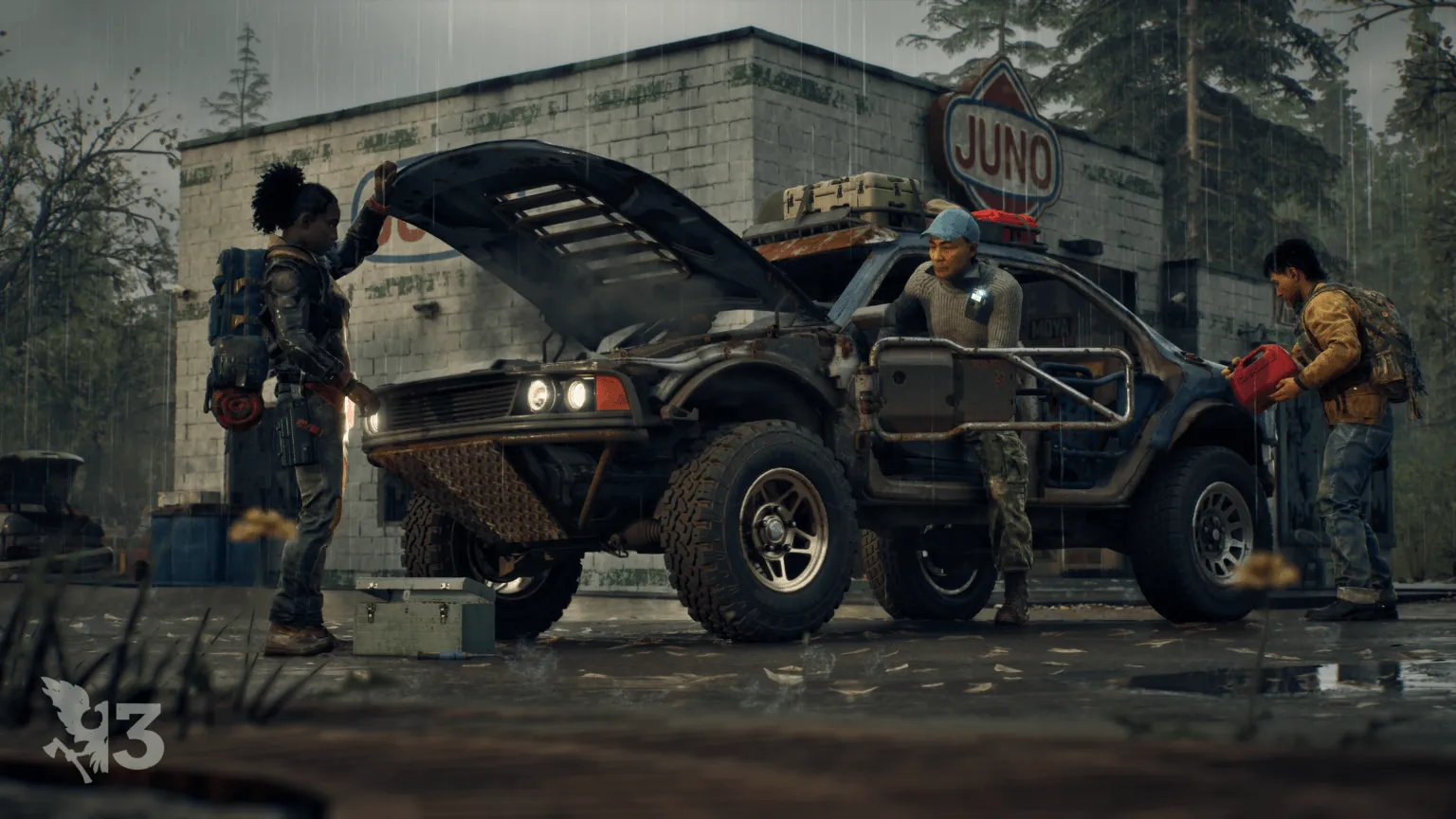
Originally announced in 2020, the game has undergone substantial changes behind the scenes.
Holt revealed that the project's earlier direction was influenced by ambitions to build a much larger MMO-style experience. That approach was eventually abandoned in favour of the shared-world survival game currently in development.
The change required extensive engineering work, with Holt explaining that the version of State of Decay 3 we see today largely began taking shape around late 2022 or 2023.
Meanwhile, much of the studio continued supporting State of Decay 2 until 2024.
That helps explain the long gap between the game's initial announcement and the more substantial gameplay reveal shown earlier this year.
Despite the recent layoffs, Holt has previously indicated that the team has not needed to radically change the scope of State of Decay 3, although some adjustments have been necessary.
State of Decay 3 Is Still Targeting 2027
For players concerned about the game's future, there is at least some encouraging news.
State of Decay 3 remains scheduled for release in 2027, with development continuing under the newly independent studio.
Around 8,000 players were reportedly participating in testing at the time of Holt's interview, and a wider closed beta began on 13 October.
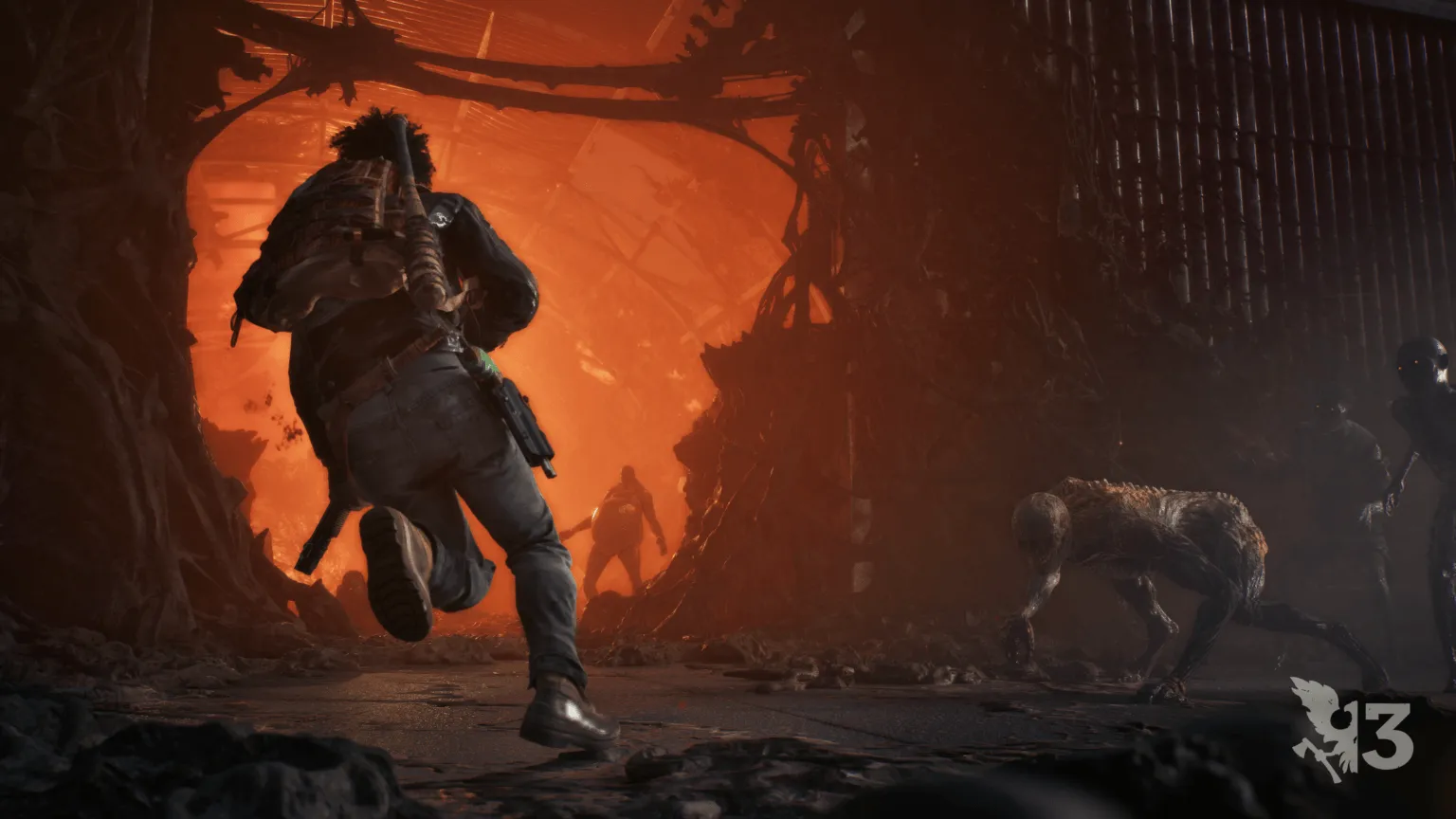
Undead Labs has also confirmed several major improvements for the sequel, including a larger open world, shared community progression, multiple settlements and untethered cooperative multiplayer.
That last feature is particularly exciting for anyone who spent time playing State of Decay 2 with friends.
The sequel will support up to four players in a shared world, allowing players to explore independently rather than being forced to remain within a limited distance of one another.
State of Decay 3 is planned for Xbox Series X|S, PC and PlayStation 5, with a day-one Game Pass release still confirmed.
An exact launch date has not been announced.
A Franchise I've Followed Since the Xbox 360
On a personal level, this is one of those industry stories that hits a little differently.
I still remember playing the original State of Decay when it first arrived on Xbox Live Arcade for the Xbox 360 in 2013.
Even back then, I knew there was something special about it. The combination of zombie survival, scavenging and community management felt like a game changer at the time.
But I also remember thinking about how much better the experience could be if I could share it with friends.
State of Decay 2 eventually gave me that opportunity, and I've spent a considerable amount of time with the game both solo and cooperatively.
In fact, only recently I introduced two new people to State of Decay 2, and the three of us went through and cleared an entire map together.
It was a great experience, but throughout our time playing, we kept coming back to one frustration: the multiplayer tethering.
Being unable to freely explore the world independently was an ongoing annoyance, particularly when we had different objectives or wanted to split up to gather resources.
Knowing that State of Decay 3 is doing away with that restriction, while also introducing proper shared-world progression, makes me incredibly excited for what's coming.
I've been looking forward to this game for years. If Undead Labs ever decides to offer a public Early Access release, I'll be jumping in without a second thought.
That isn't an announced release plan, just how eager I am to get my hands on the next instalment.
A Second Chance Worth Watching
There's something fitting about a studio responsible for a game about building communities and surviving against the odds finding itself fighting for its own survival.
Undead Labs has secured its independence, retained control of its future and found a financial path towards releasing State of Decay 3.
Those are meaningful achievements, but they don't erase the difficult decisions and job losses that made the transition possible.
The next challenge is proving that this employee-owned studio can deliver the game its community has been waiting for while building a sustainable future for the people behind it.
As someone who has been playing State of Decay since the beginning, I genuinely hope they succeed.
I've waited this long for State of Decay 3. I can wait a little longer if it means the team gets the opportunity to deliver the game they've been working towards.
And after everything Undead Labs has been through, I'm rooting for them more than ever.
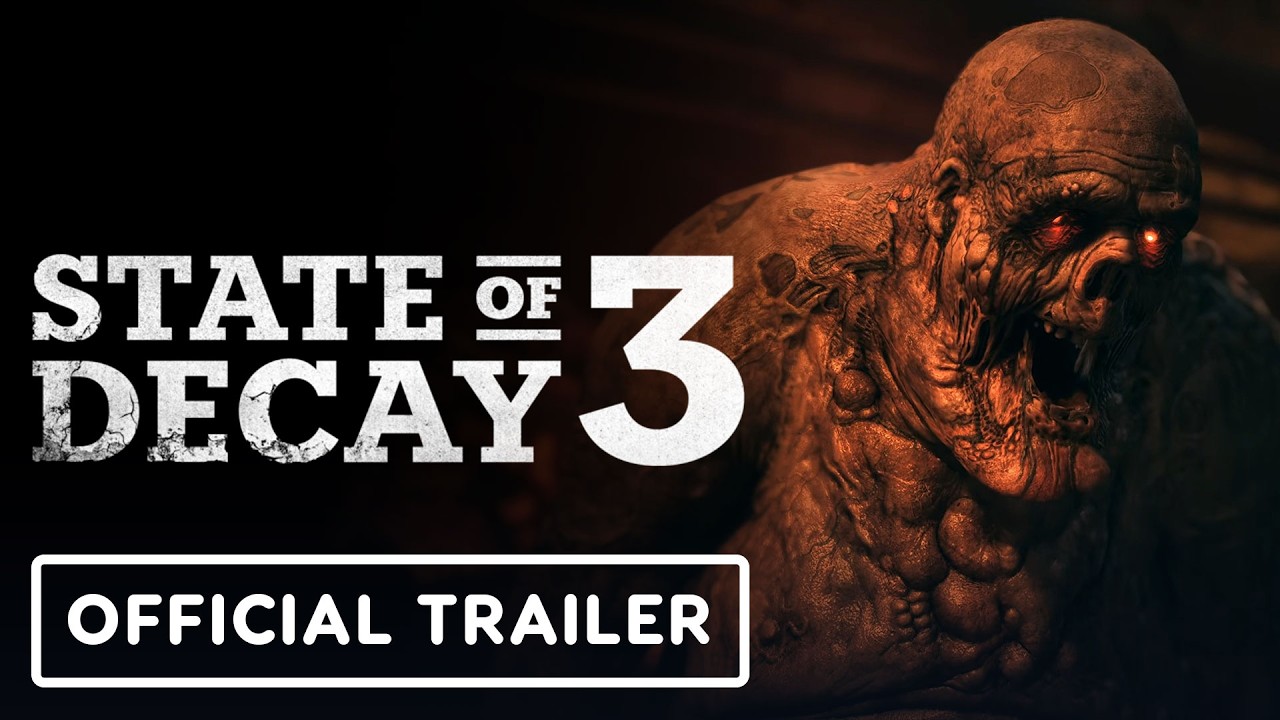
If playback doesn’t start, press Play in the player or use Watch on YouTube below.
Sources
Written and edited by It Runs Fine. Editorial policy · Report an error